
LET’S BEGIN with something we all share: we want to protect the people we love. That’s the common ground we return to again and again. Vaccine hesitancy doesn’t begin with certainty—it begins with a question. And how we go about seeking answers shapes the beliefs we hold.
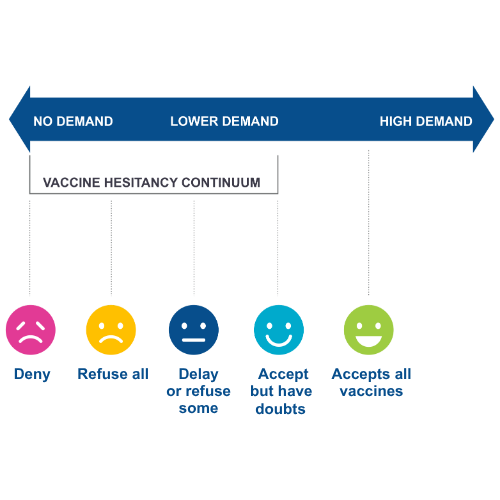
VACCINE HESITANCY is not all-or-nothing. Most people who feel hesitant are not completely opposed—they’re often in a space of uncertainty. They may have accepted some vaccines and delayed others. What they’re really doing is searching for answers. By understanding where someone is on this continuum, you can offer the support and information that’s most useful for them.
Negative healthcare experience
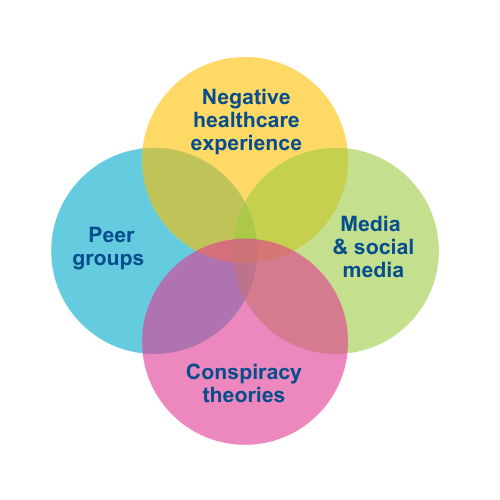
Sometimes, people feel like they aren’t being heard when they talk to their healthcare provider. Short appointments and rushed visits can leave families feeling dismissed or brushed off, even when that’s not the intention.
Big takeaway: If someone shares that they didn’t feel listened to, encourage them to have another conversation with their provider. Many healthcare professionals truly want to help, and better communication can make a big difference. If communication with the provider doesn’t improve, support them in finding a provider who listens with care and takes time to answer their questions.
Peer groups
We’re all shaped by the people around us. It’s completely normal to be influenced by the thoughts and experiences of friends and family. So if someone’s community includes people who are hesitant about vaccines, it’s understandable that they might start to have doubts too.
Big takeaway: Just because a message is loud doesn’t mean it’s coming from the majority. A small group of vocal voices can sometimes drown out the broader consensus. That’s why it’s so important to add your voice and talk about the positive impact of vaccines—your voice can help bring balance and clarity to the conversation.
Conspiracy theories
Conspiracy theories can feel hard to understand if you don’t share the same views. But they’re often rooted in deeper emotions—like frustration, fear, or feelings of injustice (real or perceived).
Big takeaway: Stay calm and curious. Don’t dismiss or mock these beliefs. Instead, ask thoughtful questions and encourage reflection. As psychologist Jovan Byford explains, many people who believe in conspiracy theories see themselves as careful thinkers. Show that you respect their desire to understand the truth. Your goal isn’t to shut that curiosity down—but to help guide it in a healthier direction. Be patient. These beliefs often take time to form, and it may take time to shift them too.
Media and social media
This is a big one. Social media, in particular, plays a huge role in how people form beliefs about vaccines. It can be a great place for connection, but it can also spread a lot of confusion and misinformation—fast.
Big takeaway: Be a positive voice online. When you share accurate, trustworthy information, you help push back against myths and confusion. Even better—step away from the screen and talk face-to-face when you can. Personal stories, real conversations, and kind connections can go a long way. You’ll find more tips on how to navigate social media and talk about misinformation later in this toolkit—and we even have a podcast on it!

Emotions
We all like to think we make decisions based on facts and logic—but the truth is, emotions play a big part too. That’s not a flaw—it’s human nature. Especially when it comes to something as personal and important as our children’s health.
When we’re talking with people who feel unsure about vaccines, it helps to keep in mind that their concerns may come from a place of deep care. Emotions aren’t a barrier to decision-making—they’re a part of it. And when we understand that, we can connect in a more compassionate and supportive way.
What emotions mean for vaccine decisions
Vaccination decisions are often about love and protection. For many families, it’s emotional because it involves something incredibly precious—the safety of their children. Facts and science matter deeply, but they may not feel like enough unless we also speak to the heart. By recognizing the emotions involved, we open the door to understanding, trust, and more meaningful conversations.

Time
It’s very common to hear someone say, “I just need more time to think about this.” That makes sense—big decisions often feel like they deserve space. But interestingly, research shows that when people take too long, their confidence in the decision can weaken. Instead of feeling more confident, they may feel more unsure.
What time means for vaccine decisions
The key isn’t to rush, but to offer timely support. Helping someone find clear, compassionate answers—without unnecessary delays—can ease anxiety and build confidence. The longer someone feels stuck, the harder it can be to move forward. So let’s help them feel ready, not rushed.

Options
More choices can sometimes feel like more freedom—but when the stakes are high, too many options can be overwhelming. This is known as “choice overload,” and it can make decision-making exhausting. When every path has pros and cons, it’s easy to freeze up or second-guess.
What option-overload means for vaccine decisions
When someone brings up a lot of questions or concerns, try gently guiding the conversation to what’s most pressing for them. Ask, “What’s your biggest question right now?” Focusing on that one thing can make the path forward feel clearer and more manageable.

Social Norms
Social norms are the unspoken rules that shape our everyday lives. They’re not written down, but we all follow them—like leaving a seat between strangers at the movies. These quiet expectations influence what we feel is “normal” or acceptable in our communities.
What social norms mean for vaccine decisions
Vaccinating children is actually a common practice—it’s something most families already do. But when we talk about it more, we help make it feel more normal and supported. Celebrating and acknowledging others who vaccinate helps reinforce vaccination as a caring, responsible choice.

Herd Mentality
We tend to move with our group—friends, family, neighbors. That’s natural. We trust the people we love, and their beliefs often shape ours. This is called herd mentality, and it can be either helpful or harmful, depending on what the group believes.
What herd mentality means for vaccine decisions
If someone you care about is part of a group that questions or opposes vaccines, it may be hard for them to step outside of that view. But you can be the person who gently introduces a different perspective. By listening first, and sharing information thoughtfully, you might help widen the circle of trust and open the door to new possibilities.

© Voices for Vaccines. Excerpts and links may be used by websites and blogs, provided that full and clear credit is given to Voices for Vaccines, with appropriate and specific direction and links to the original content. Parents, providers, advocates, and others may download and duplicate toolkits in print, without alteration, for non-commercial use and with full and proper attribution only.
