by Morgan Sorber
“Have you ever gotten glitter on your hands? Have you ever tried to wash it off? Soap and water don’t really work. Glitter sticks. That’s rotavirus.”
That’s how the ER doctor explained rotavirus to me. I had washed my hands until they cracked and bled trying to keep my baby safe. But with another child sick with rotavirus in the house, it wasn’t enough. It was never going to be enough.
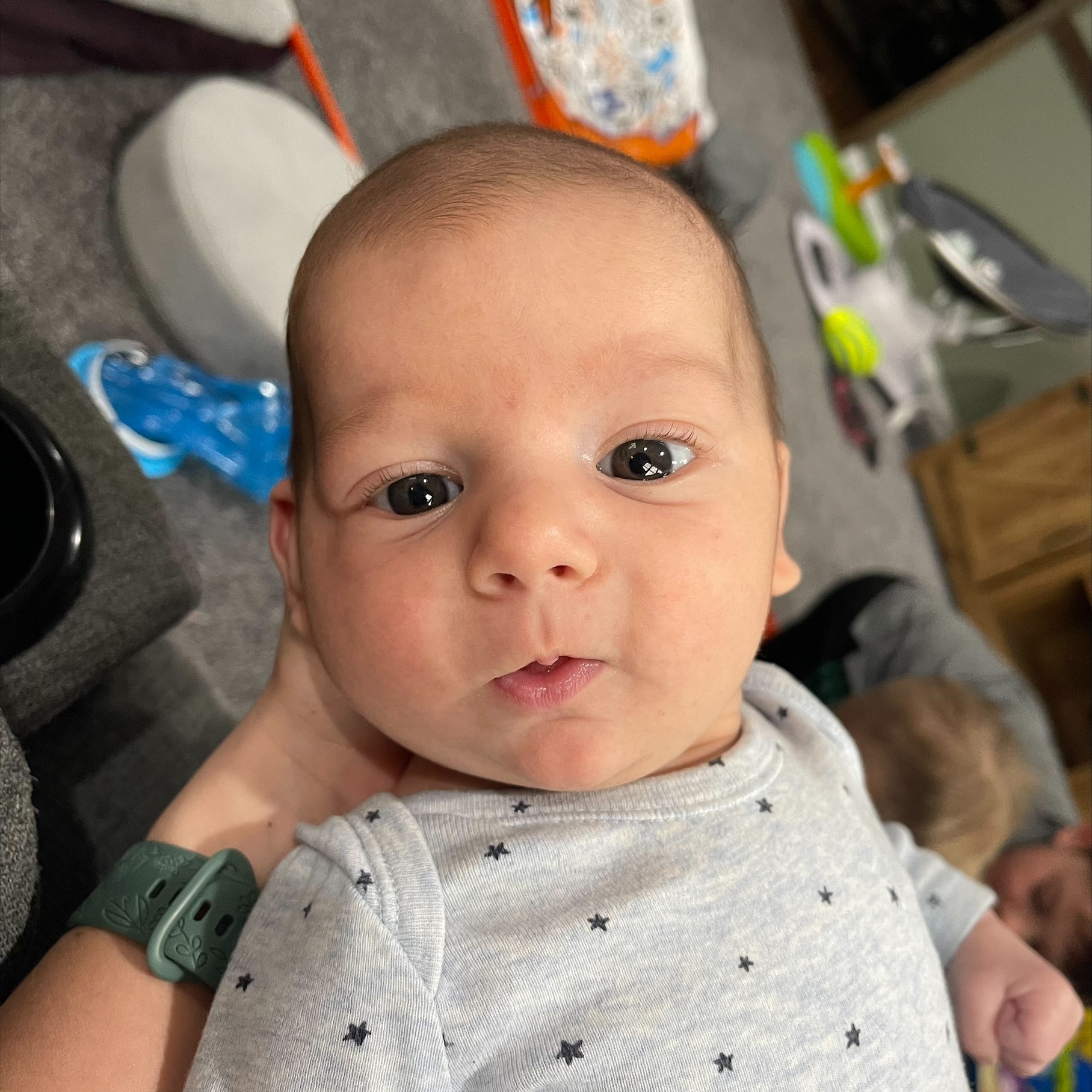
Logan Was My Third Baby
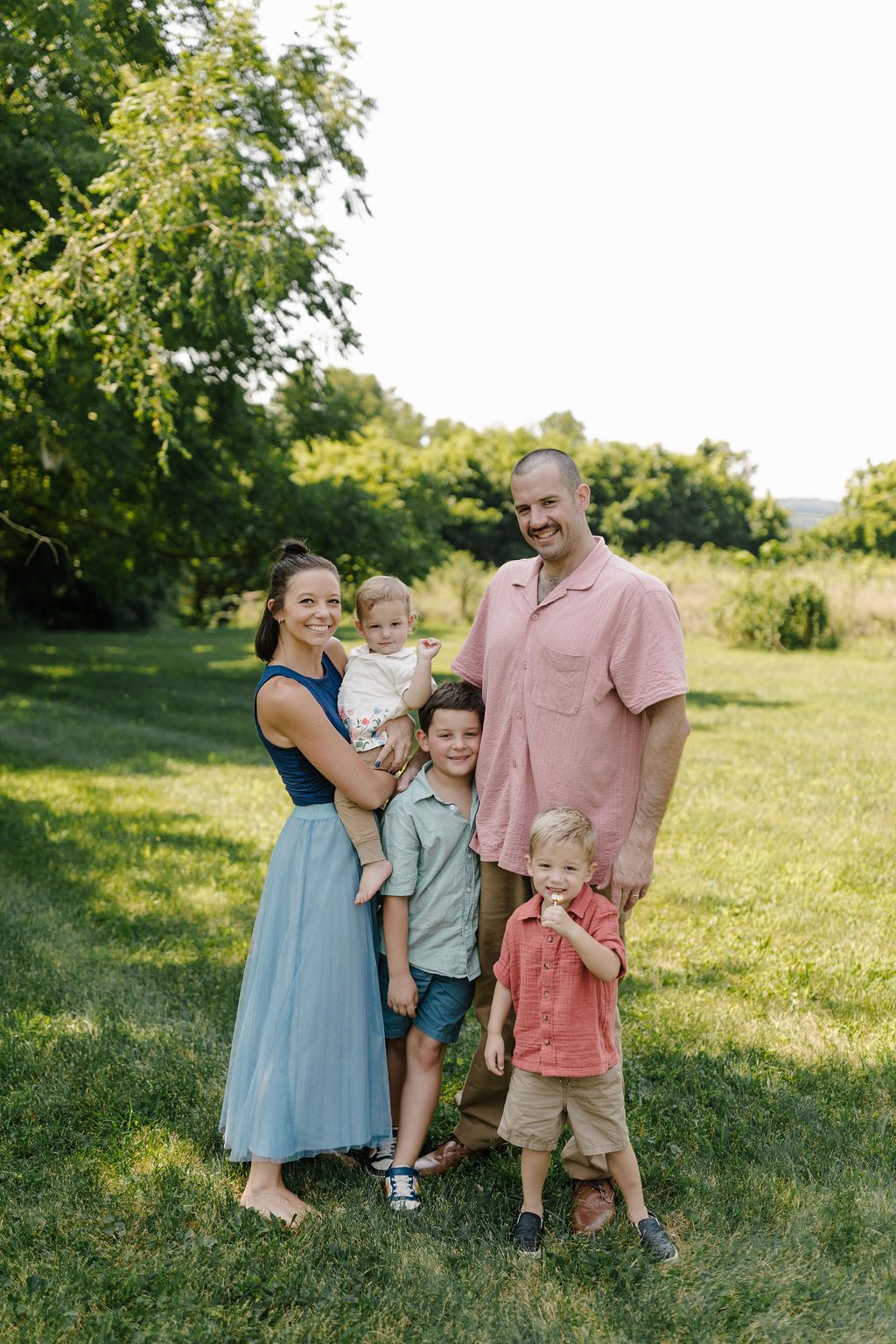
There’s something magical about the third baby. No first-time nerves, no second-time worry about whether you can love another child as much as the first. My pregnancy with Logan was pure excitement. I shared ultrasound pictures with his big brothers Roman, five, and Easton, two, feeling kicks, feeling ready. I knew by then that a mother’s love isn’t divided. It’s multiplied.
Logan was born February 13, and our home instantly became happier. But my husband Josh and I were caught off guard when our pediatrician flagged a birth defect—one commonly associated with chromosomal disorders. Logan would need a genetics evaluation. We already knew newborns needed protecting from germs before they were old enough to be vaccinated. Now we had a sick-season baby with older, germ-carrying siblings. And Logan might have a condition that made him more prone to infection. The stress I hadn’t felt during pregnancy came back, all at once, postpartum.
It Starts with Easton
In April, Logan was seven weeks old and thriving. He was an excellent breastfeeder, hitting his milestones, already sleeping in longer stretches. Cold-and-flu season anxiety was finally starting to lift. Then my middle son threw up. And again. And again. Followed by diarrhea.
This was the first illness to hit our household as a family of five. My husband and I put on gloves. We washed and sanitized everything. Our hands were dry and cracking. I was consumed with anxiety, watching and waiting, praying hard that Logan wouldn’t get it.
Six days after Easton’s first symptoms, Logan vomited.
I called the on-call nurse. She said as long as he was breastfeeding and fever-free, we could stay home — but if either of those things changed, he needed to go to the ER. Later that evening, he vomited again and felt hot. I was crying before the thermometer beeped.
101.7°F.
The Drive
As a nurse, I know what happens when babies under 60 days old spike a fever. They require lumbar punctures, blood cultures, straight caths, IV fluids. They are at the highest risk for bacterial meningitis. I sobbed as I buckled my sick baby into his car seat and made the 45-minute drive to the nearest hospital with a pediatric ER. I was alone, because Josh had to stay home with our sleeping boys.
I pulled over twice to make sure Logan was still breathing. He wasn’t crying, and I was convinced he’d had a febrile seizure. He hadn’t. He was just exhausted and sick and seven weeks old.
In the Hospital Room Doorway
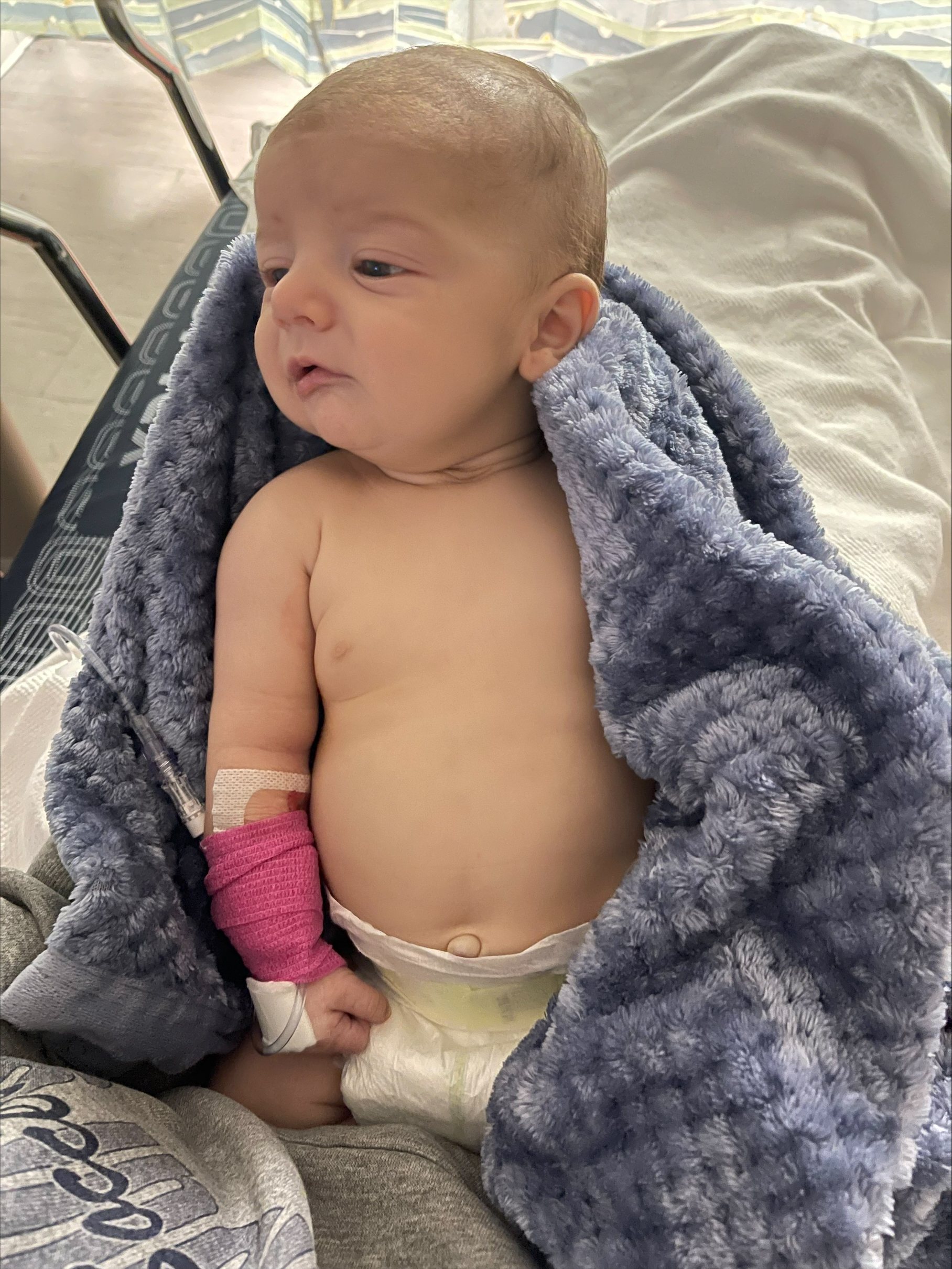
When we arrived, the staff was extraordinary. They moved fast. The room filled with doctors, nurses, and phlebotomists running the newborn sepsis protocol. I stood in the doorway and watched strangers hold down my baby’s arms and legs. I couldn’t breathe while I watched his medical team poking and prodding him. We should have been at home snuggled on the couch. I watched them draw blood cultures as my baby was crying so hard that he made no noise. They missed two IV sites before getting one on the third try with ultrasound guidance. It took two attempts to catheterize him for a urine sample. Logan screamed until his cry turned hoarse.
I couldn’t get close enough to hold his hand, and tried to comfort him from the doorway: “It’s okay, baby. Mama’s right here.”
The nurses told me I could step out if I needed a break. I couldn’t stomach the thought of my tiny baby in that place without my voice nearby.
Finally, he was settled. I was able to hold him — connected to heart monitors and an IV — and felt simultaneous relief and a guilt that sucked the air right out of me. When the doctor came in, I explained that my baby’s older brother was sick. “I tried so hard to keep them separate,” I told him. “I washed my hands so much, doctor. I can’t believe I let this happen. I tried to protect him. He’s exclusively breastfed. That’s supposed to keep him healthy.”
That kind doctor listened. Then he explained he suspected rotavirus, because only my two-year-old and the newborn got sick. Rotavirus doesn’t usually affect older children and adults. I’d vaccinated both older kids, but Easton wasn’t able to tolerate the oral vaccine. He threw up each dose, and that clearly left him susceptible to the virus. He got it, and through him, Logan.
That’s when the doctor used his glitter analogy to try to make me feel better by explaining just how impossibly contagious rotavirus is.
One Month Too Early
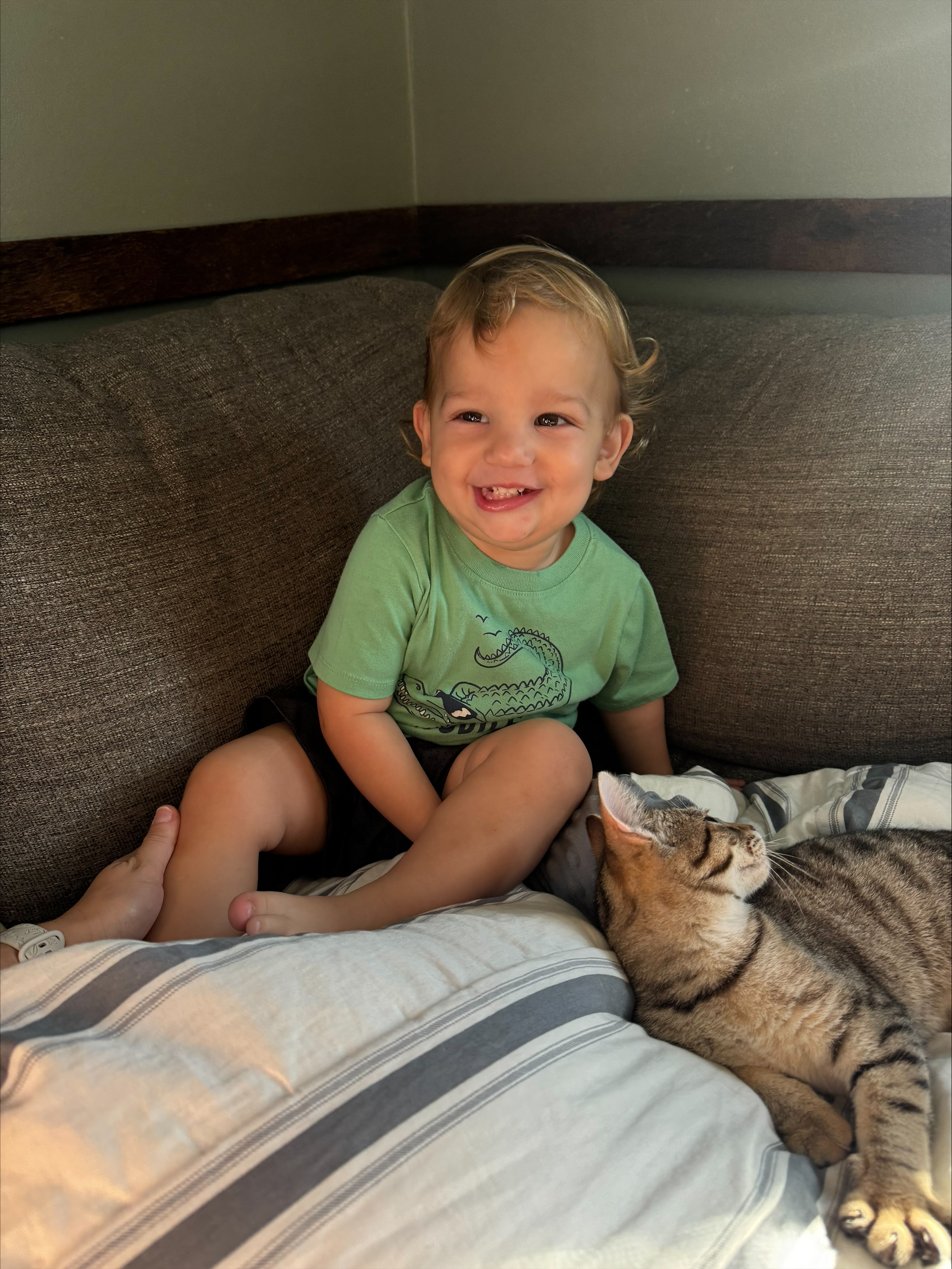
Hours later, the test results confirmed our doctor’s suspicion: rotavirus. Logan was exactly one month away from being eligible for his first dose of the rotavirus vaccine.
We were discharged from the ER. The follow-up appointments revealed Logan had lost weight from the persistent diarrhea. At least seven times a day, for more than three weeks, he suffered yellow, foul-smelling, skin-irritating diarrhea. I lived in a state of fear for nearly a month, watching for signs of dehydration, dreading another ER trip. Even Roman and Easton were anxious. They didn’t want their baby brother to go back to the hospital.
But eventually, the diarrhea stopped. Logan gained back the weight he’d lost and became my chubbiest baby. And two weeks after our ER visit, the genetics results came back: Logan was perfect in every way, right down to the chromosomal level.
I wished I’d known that two weeks earlier. I would have worried less. But I also wished Easton had been able to tolerate the rotavirus vaccine. Or that he’d gotten sick just one month later, when Logan could have had at least partial protection.
What I Know Now
Logan’s illness was a horrible experience for my family. But I know it could have been much worse. I’m grateful for the privilege to fully vaccinate my children. I felt so helpless knowing my baby was sick with a preventable disease.
I never want to feel that helpless again.
I will always vaccinate. Because I would never want my choices to be the reason another mother has to stand in an ER doorway, unable to hold her sick child.


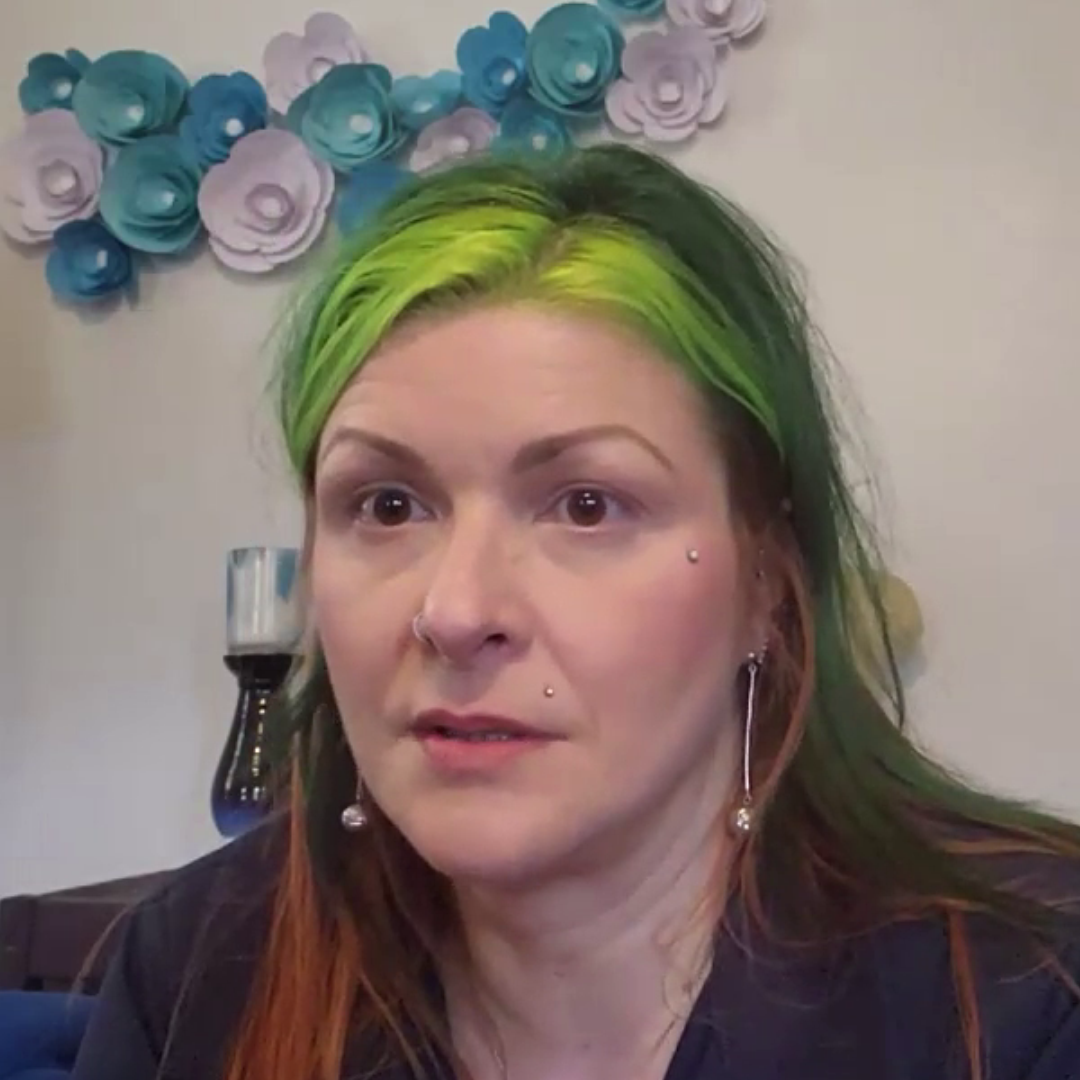
Morgan Sorber is a nurse and mom of three boys, Roman, Easton and Logan. Her story, like all others on this blog, was a voluntary submission. If you want to help make a difference, submit your own post by emailing us through our contact form. We depend on real people like you sharing experience to protect others from misinformation.