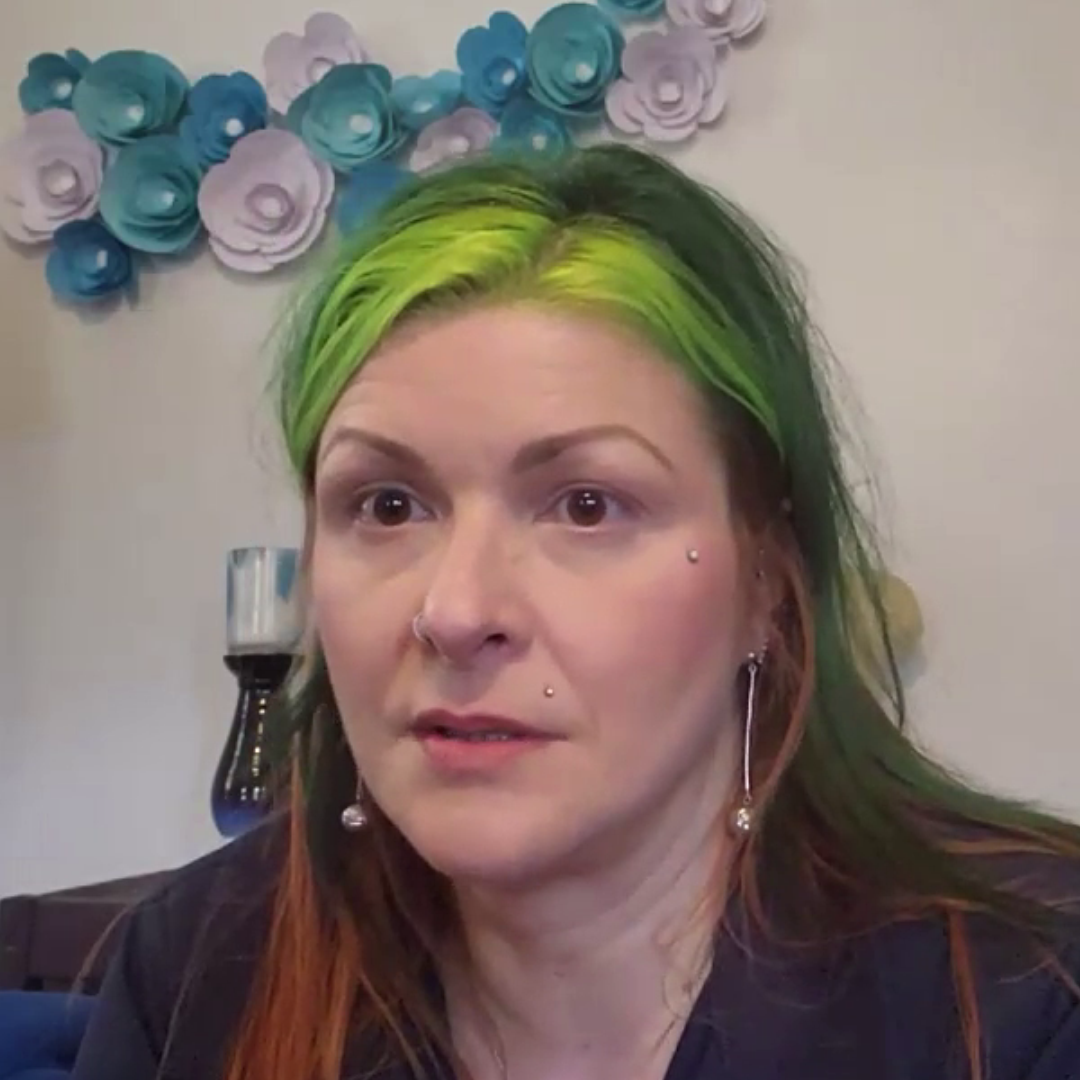
by Alex
A six-year-old I know is terrified of needles. He still gets his shots every year—because his mom reminds him it helps protect people like me. He’s six, and he understands that. I just wish more adults did too.
So far in 2026, there have been 45 confirmed measles cases in Washington state. The majority were in the county where I live and work.
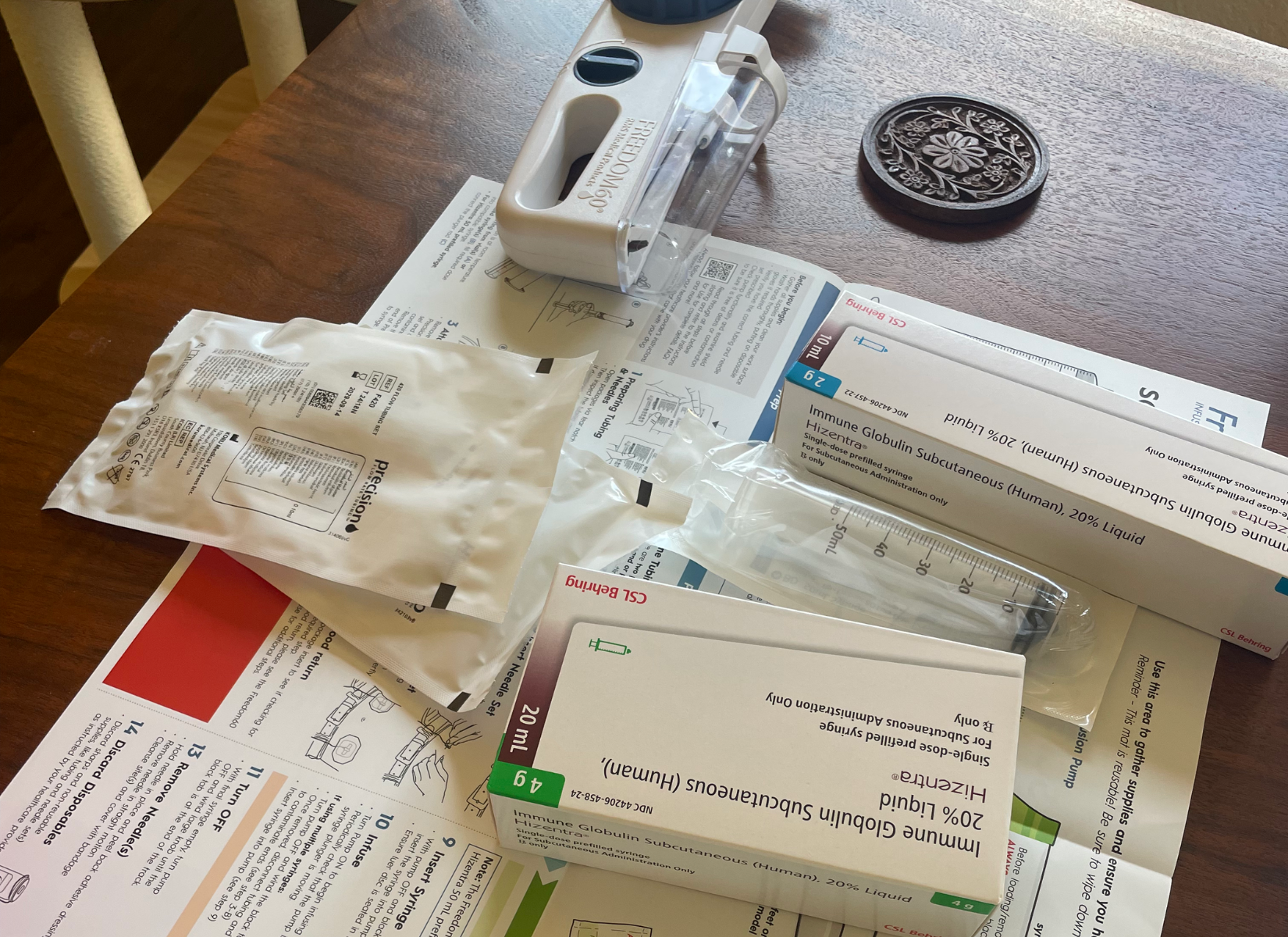
To a lot of my friends and family, that number doesn’t sound alarming. But I live with a primary immune deficiency. I can’t create my own antibodies, which means vaccines simply don’t work for me. I rely on expensive weekly immune globulin replacement therapy—a subcutaneous plasma infusion I do at home—and on herd immunity.
Right now, Washington’s vaccination rate for measles sits at 91%, short of the 95% needed for herd immunity to hold. That’s especially frightening for me, because I work as a mental health therapist, and most of my clients are under eighteen. Going to work is a bit of a landmine of potential exposure.
A Body That Can't Learn
When I was diagnosed with common variable immune deficiency in 2022, it was both validating and devastating. Validating, because there was finally an explanation—for always feeling sick, and for all the precautions I’d already been taking: masking, avoiding crowds and air travel, using air purifiers. Devastating, because living with an immune deficiency is deeply isolating.
It’s hard for people to understand why I need to cancel plans when they “just have a cold,” or why it matters so much to me that they’re vaccinated.
My body can’t create antibodies, and it can’t learn from past illness. So every time I get sick, my immune system treats it as something it’s never seen before—a complete unknown.
Sick Without Warning Symptoms
Something I didn’t understand until after my diagnosis: because I lack a robust immune system, I don’t mount a normal immune response. That means I don’t get fevers, or any of the usual warning signs that something is wrong. The frightening part is that I might not know I’m sick until I’m already seriously ill. Many people with primary immune deficiencies end up hospitalized with severe pneumonia or sepsis, with no warning symptoms beforehand to tell them they needed treatment.
Five years ago, if you’d told me I’d have to worry about getting measles every time I left my house, I wouldn’t have believed you. Growing up, I took it for granted that the people around me were vaccinated, and that I could rely on herd immunity without a second thought.
Precaution Doesn’t Guarantee Protection
Now I have policies in place for my clients, meant to protect me and my other immunocompromised clients. If a client has symptoms, we switch to telehealth, or we cancel with no fee. My clients understand that if they don’t follow this, I could get sick and be unable to work for an indeterminate length of time — leaving them, and everyone else I see, without therapy. But these policies are hard to enforce. Measles is contagious before symptoms even show up. Sometimes I’m in the middle of a session, and a client coughs. I feel my blood run cold. Is today the day I get exposed?
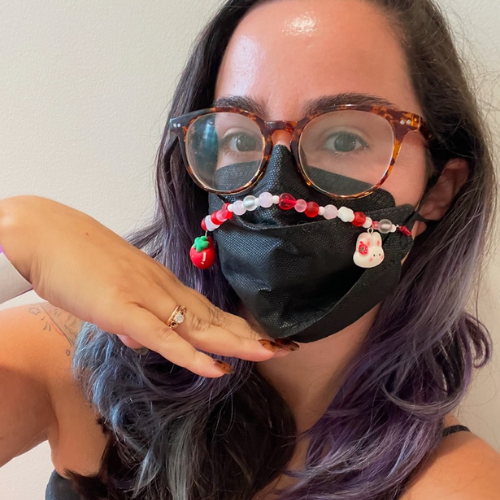
Despite my best precautions, I can’t live in a bubble. And it’s emotionally exhausting when wearing a mask gets treated like an affront to someone else’s individuality, instead of what it actually is—a health precaution. I went on a cruise with family last summer and had to field dirty looks and nasty comments, just for wearing a mask. It’s tiring to constantly feel like I need to explain myself.
The Cost of Compassion
I’m so grateful to the friends and family who’ve kept their own measles vaccinations current, just to give me some peace of mind. Which brings me back to that six-year-old. He’s needle-phobic—what kid isn’t?—and he throws a tantrum every time he needs a vaccination. But every year, he gets his COVID and flu shots anyway, because his mom reminds him that part of why it is so important is to protect people like me. And every year, he feels proud to be doing something that helps other people.
He’s six years old, and he already understands something a lot of adults can’t seem to grasp: when the cost of not getting vaccinated could mean someone else’s severe illness, or worse, getting the shot is simply the compassionate thing to do.
I think about him often. If a six-year-old can find that kind of courage for someone else’s sake, I want to believe the rest of us can too.


Alex is a mental health therapist living in the beautiful Pacific Northwest of the United States. Her story, like all others on this blog, was a voluntary submission. If you want to help make a difference, submit your own post by emailing us through our contact form. We depend on real people like you sharing experience to protect others from misinformation.