by Chloe Hong
Because I am an organ transplant recipient, there are vaccines I will never be able to get. My only protection against those vaccine-preventable diseases is everyone else’s willingness to get vaccinated.
I was diagnosed with acute myeloid leukemia when I was only one year old. My cancer treatment left me immunosuppressed for basically my entire life.
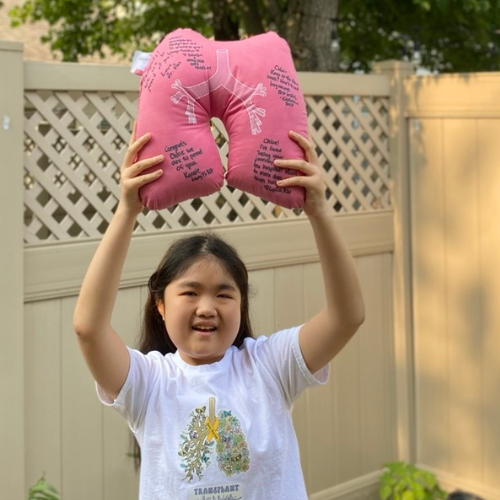
I’ve been in remission for 16 years now, but I developed severe complications from my bone marrow transplant and a lung condition called bronchiolitis obliterans. My medical conditions prevent me from getting some of the vaccines I need for disease protection.
Two Transplants, Ten Rejections
In June of 2022, I got a double lung transplant. But I developed chronic organ rejection and ended up back in end-stage lung failure. More than 10 medical centers denied me the second lung transplant I needed—they felt I was too high-risk. Miraculously, I found a center willing to take me. On March 9th, I got my second double lung transplant. I’ve been recovering ever since.
For Transplant Patients, a Common Cold Isn't Common
The medications that prevent organ rejection—and the ones used for cancer treatment—severely suppress your immune system. Organ rejection happens when your immune system recognizes the transplanted organ as foreign and tries to fight it. As a transplant recipient, I have to be on these medications for life. They don’t fully prevent rejection—every organ transplant eventually rejects at some point—but they’re the best treatment we have.
One of the most common causes of organ rejection is infection: viral, bacterial, or fungal. Immunosuppressed people get these infections more easily than people with healthy immune systems, and the consequences are far greater. A common illness like rhinovirus (the common cold), the flu, or pneumonia can be detrimental to someone who’s had a lung transplant — and could trigger organ rejection.
Since it’s impossible to never catch an illness, preventative measures matter. Washing your hands. Wearing a mask when you’re sick. But most importantly: getting vaccinated.
@chronicles.of.chloe Haven't done one of these in awhile but just thought I would update everyone! #lungtransplant #hospital #healing #fyp #gofundme
♬ original sound - Chloe (Transplant Version) 🫁
I get every vaccine I’m medically able to get. But as an organ transplant recipient, I’m not able to receive certain live vaccines.
The Vaccines You Get Protect Me Too
If a majority of people are vaccinated against an illness, their immunity can slow the spread of disease—or stop its spreading altogether. A lot of people think getting vaccinated is just about protecting themselves. It’s much more than that. When you get vaccinated, your protection also protects the people around you—including people like me, with weaker immune systems.
I am deeply grateful to the vaccinated people who provide me with herd immunity protection. Like those of you who vaccinate, I will always stay on top of my vaccines. Not just to protect myself and my transplanted organ, but to protect others too—including my friends and family. The same way your vaccinations protect me.
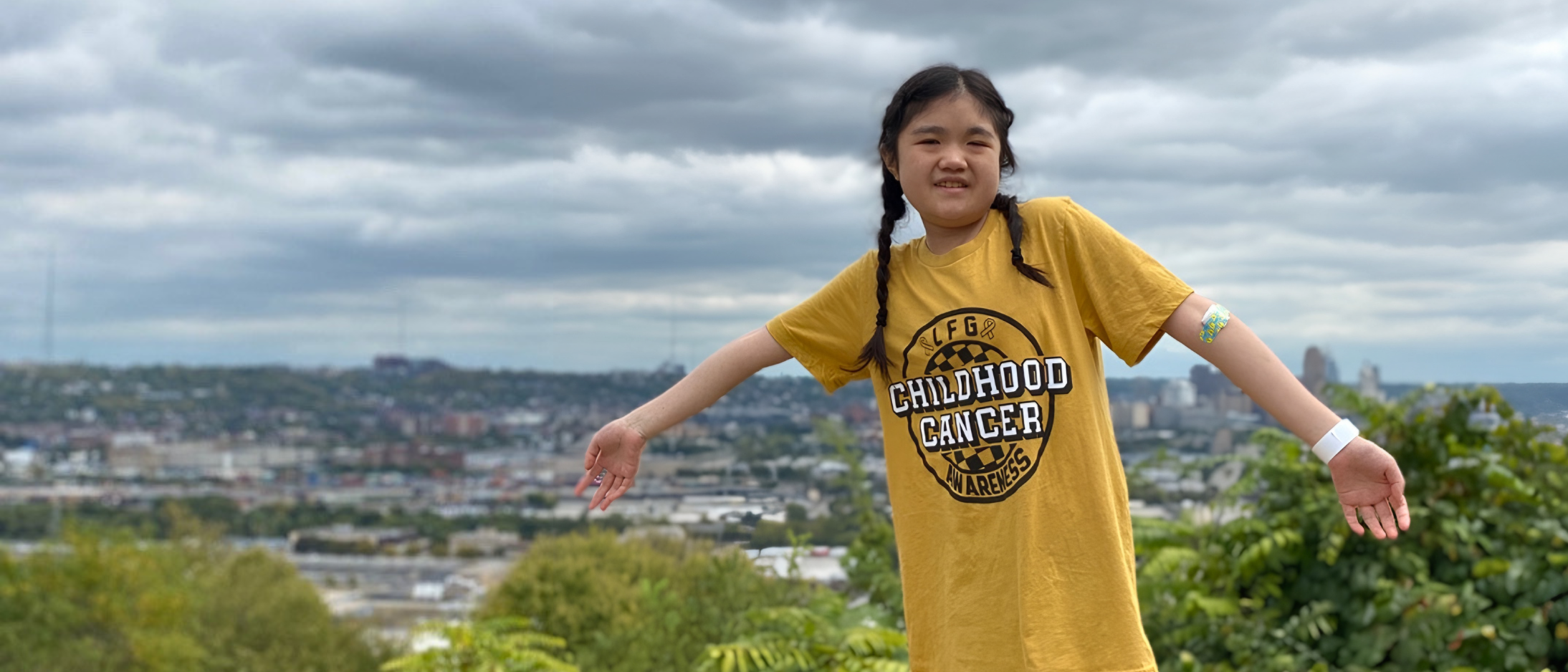


Chloe Hong is a cancer survivor and 2x double lung transplant recipient born in South Korea. Her story, like all others on this blog, was a voluntary submission. If you want to help make a difference, submit your own post by emailing us through our contact form. We depend on real people like you sharing experience to protect others from misinformation.